 Australian Made Mats


The Dog Boarding Experience | From Kennel Logic to Hospitality Logic
Back in the 90s I owned a Chow Chow called Jerry.
Beautiful black Chow.
Looked like a miniature bear with a black tongue.
He also had a personality.
Chows are loyal dogs.
To their owners.
The rest of the world?
They can take ‘em or leave ‘em.
Jerry had one particular quirk.
He was a very good-looking dog.
And he knew it.
If someone tried to pat him… he’d turn his back.
But if someone ignored him?
The attention-seeking would begin.
Back then there was no such thing as mobile dog washing.
So once a month Jerry went to the spa.
Drop him off.
Come back a couple of hours later.
And every time we did, I had the same picture in my head.
Jerry in the tub.
Shower cap on.
Champagne in one paw.
Cigar in the other.
At least… that’s how I imagined it.
Fast forward to today and something interesting has happened.
The humanisation of pets has become a thing… It isn’t new, just not shamed any more.
With it expectations have changed.
Pawrents today don’t just want their dogs comfortable.
They want proof of care.
That creates a real balancing act for boarding facilities.
Because modern pawrents aren’t simply looking for a fluffy room.
They’re looking for something closer to:
rest + stimulation + routine + emotional regulation
And that’s where the industry is quietly shifting.
The profitability equation is moving away from traditional economic kennel logic…
and toward something closer to hospitality logic.
Kennel Logic is covered in Industry standards like that of the PIAA
It’s not all about chandeliers and doggy champagne.
(While some will offer that – if you’re prepared to pay)
But the real shift is this:
Customer experience now matters as much as customer care.
What Pawrents Are Really Looking For
When pawrents leave their dog with a boarding facility, they are doing something emotionally significant.
They are leaving behind a member of their family.
Even confident owners feel a moment of hesitation when they walk away from the gate.
They want reassurance.
Not just promises.
They want to see that their dog will be safe, comfortable, and emotionally settled.
In practical terms, this means pawrents increasingly expect to see four things during a boarding stay:
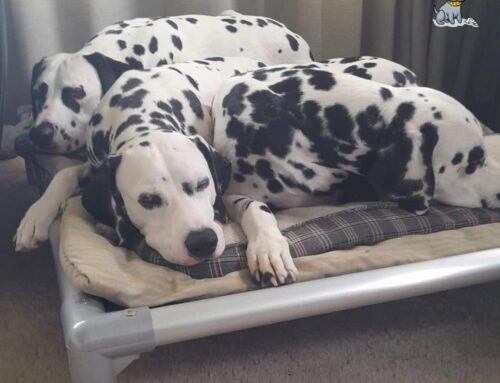
Rest – a comfortable place where the dog can relax and decompress.
Stimulation – appropriate play, interaction, and enrichment during the day.
Routine – predictable feeding, activity, and rest patterns.
Emotional regulation – an environment that reduces stress and supports calm behaviour.
When these elements are present, pawrents feel confident that their dog is not just being housed.
Their dog is being cared for.
The Difference Between Kennel Logic and Hospitality Logic
Traditional boarding facilities were built around efficiency.
Rows of runs.
Concrete floors.
Cleaning schedules.
Feeding times.
Operationally, this model made sense. It allowed facilities to care for many dogs in a controlled environment.
But the model was built around management of animals, not experience of the guest.
That distinction matters today.
Hospitality industries, whether hotels, resorts, or wellness retreats, operate on a different principle.
They focus on how the experience feels.
Not just whether the basic needs are met.
When this thinking is applied to dog boarding, something interesting happens.
The focus shifts from simply managing dogs to designing a stay that supports the dog’s wellbeing and reassures the pawrent.
That does not require luxury construction. It requires thoughtful structure.
Veterinary research has shown that environmental enrichment and predictable routines significantly improve the welfare of kenneled dogs by reducing stress and promoting healthier behavioural patterns (Journal of the American Veterinary Medical Association).
Improving the Experience for the Dog
Dogs thrive in environments that offer a balance between activity and calm.
In a boarding setting, this balance becomes even more important because dogs are away from the familiar routines of home.
A well-structured boarding experience provides three essential environmental cues.
First, the dog has a clear place to rest.
Elevated resting areas or defined sleeping zones allow the dog to relax and feel secure.
Second, the dog has predictable periods of stimulation.
Play, exercise, and enrichment provide outlets for energy and curiosity.
Third, the dog experiences consistent daily routines.
Feeding times, activity periods, and rest cycles follow a predictable rhythm.
When these elements are present, dogs settle faster, display fewer stress behaviours, and adapt more comfortably to the boarding environment.
This improves both welfare and operational flow.
Improving the Experience for the Pawrent
While the dog’s welfare is central, the pawrent’s experience also matters.
Boarding is ultimately a service relationship.
Pawrents need confidence that their dog is in capable hands.
The most effective way to provide that reassurance is not marketing language.
It is visible signals of care.
When pawrents can see that dogs have dedicated resting areas, structured activity, and calm spaces to relax, confidence grows quickly.
They understand that the facility has been designed with the dog’s wellbeing in mind.
This perception transforms the boarding stay from simple accommodation into a care experience.
And when pawrents trust the experience, they return.
Why Experience Drives the Future of Dog Boarding
The global pet care industry continues to grow, and with it the expectations of dog owners.
Pawrents are more informed, more emotionally invested, and more attentive to the environments where their dogs spend time.
Facilities that recognise this shift are adapting their approach.
They are not abandoning the operational discipline that keeps kennels running smoothly.
Instead, they are expanding their focus.
They are designing boarding experiences that support both the practical needs of the facility and the emotional expectations of pawrents.
This is where the concept of hospitality becomes valuable.
Hospitality is not about luxury.
It is about intentional care.
It is about creating an environment where guests feel safe, comfortable, and confident in the experience.
For dog boarding facilities, the guests are both the dog and the person who loves them.
The Future of Dog Boarding
The most successful boarding facilities of the future will understand something simple.
Dog welfare and pawrent expectations are not competing priorities.
They are the same priority.
When dogs have structured rest, appropriate stimulation, predictable routine, and calm environments, their welfare improves.
When pawrents see these elements clearly in action, their confidence grows.
This alignment between welfare and experience is the foundation of hospitality thinking.
And it is quietly redefining the boarding industry.
Not through luxury upgrades or novelty services.
But through thoughtful environments that support the needs of dogs and the expectations of the people who care about them.
Key Takeaway
The future of dog boarding is not about making kennels look like hotels.
It is about designing boarding experiences that provide:
rest
stimulation
routine
emotional regulation
When those elements are present, dogs settle better, pawrents feel confident, and boarding facilities build long-term trust.
That is the real shift from kennel logic to hospitality logic.
And it is already shaping the next generation of dog boarding facilities.