 Australian Made Mats

If you spend any time around rescues, kennels, pounds, foster carers or vet clinics right now, you already know something feels off.
Not headline news off.
More like:
“We’re full and can’t take another one… but we don’t have a choice.”
“Adoptions have slowed right down… and with the cost of living, everything is stretched to the limit.”
“We’re hanging on… but barely.”
And that’s the important part.
They are hanging on.
Because if you look at some public intake numbers in isolation, it almost looks like things are improving.
They’re not.
Australia’s rescue sector in 2026 isn’t drowning because there are suddenly ten times more dogs.
It’s struggling because the entire system has slowed down.
The Hidden Problem: A System Slowing to a Crawl
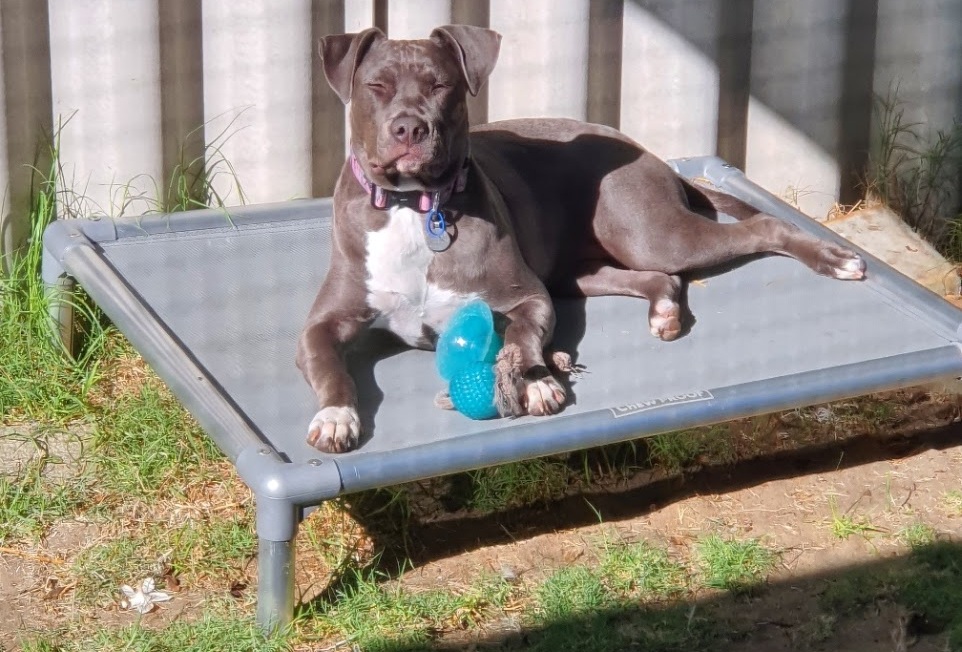
Dogs are staying in care longer.
Adoptions are harder.
Costs keep rising.
And the dogs that are hardest to place?
They’re usually the ones needing the most support.
That combination creates pressure—even if intake numbers look stable or lower.
The Data Problem Nobody Talks About
Australia still doesn’t have a single national database tracking all rescue and shelter dogs.
There’s no unified “total dogs in care” number.
Instead, we rely on fragmented reports from organisations like:
- RSPCA Australia
- PetRescue
- State-based welfare groups
When you piece those together, a clear pattern emerges:
Pressure is increasing—even where intake numbers appear stable or down.
RSPCA Intake Numbers Are Falling… But That’s Misleading
According to recent RSPCA statistics:
- 22,311 dogs (2020–21)
- 17,468 dogs (2023–24)
- 15,852 dogs (2024–25)
On paper, that looks like improvement.
But many rescue groups warn:
Intake drops can happen when shelters are already full.
If there’s no space, funding, or foster capacity—intake slows by necessity.
Not because fewer dogs need help.
Because there’s nowhere left to put them.
The Real Bottleneck: Adoption Has Slowed
PetRescue’s 2026 reporting highlights a bigger issue:
Adoption rates are at record lows.
This changes everything.
When dogs move through the system more slowly, the entire pipeline backs up.
A dog staying 3 weeks instead of 1 doesn’t sound dramatic…
Until you scale that across hundreds or thousands of animals.
Suddenly rescues face:
- Fewer available kennels
- Longer waiting lists
- More rejected surrender requests
- Higher food and vet costs
- Volunteer burnout
- Foster carers at capacity
This is where operations shift from rehabilitation mode → survival mode.
Cost of Living Pressure Hits Both Sides
In 2026, financial pressure is coming from both directions.
Pet Owners Are Struggling With:
- Rent increases
- Housing instability
- Rising vet bills
- Higher food costs
- Tighter budgets
Rescues Are Facing:
- Increased operating costs
- Higher vet and transport expenses
- Utility and staffing costs
- Maintenance and cleaning costs
And one overlooked factor:
Bedding replacement
When dogs stay longer, stress behaviours increase—especially chewing.
A “cheap” bed replaced every few weeks becomes expensive fast when multiplied across a facility.
Medium & Large Dogs Are Bearing the Brunt
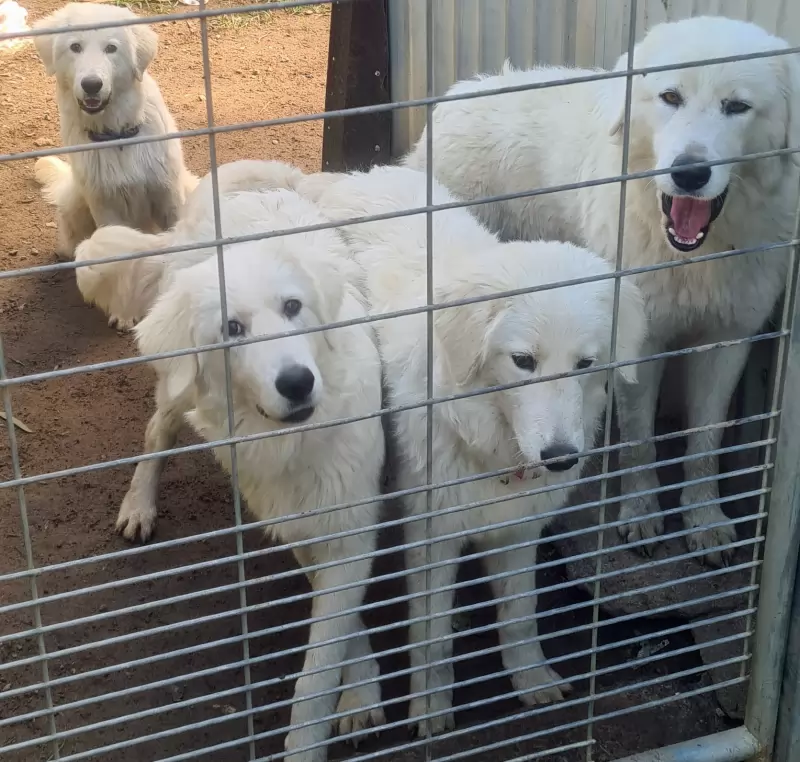
Not all dogs move through the system equally.
Smaller dogs still attract strong adoption demand.
But larger and more complex dogs are increasingly difficult to place, including:
- Working breeds
- Bull breed mixes
- High-energy dogs
- Dogs with behavioural history
- Adolescent dogs
- Large-breed puppies entering adulthood
These dogs:
- Stay longer
- Create more wear on facilities
- Require more resources
Rescues already know this reality:
“The easy dogs move. The complicated ones stay.”
Are Shelter Dog Numbers Actually Increasing?
Here’s the honest answer:
Numbers may look stable—but pressure is rising.
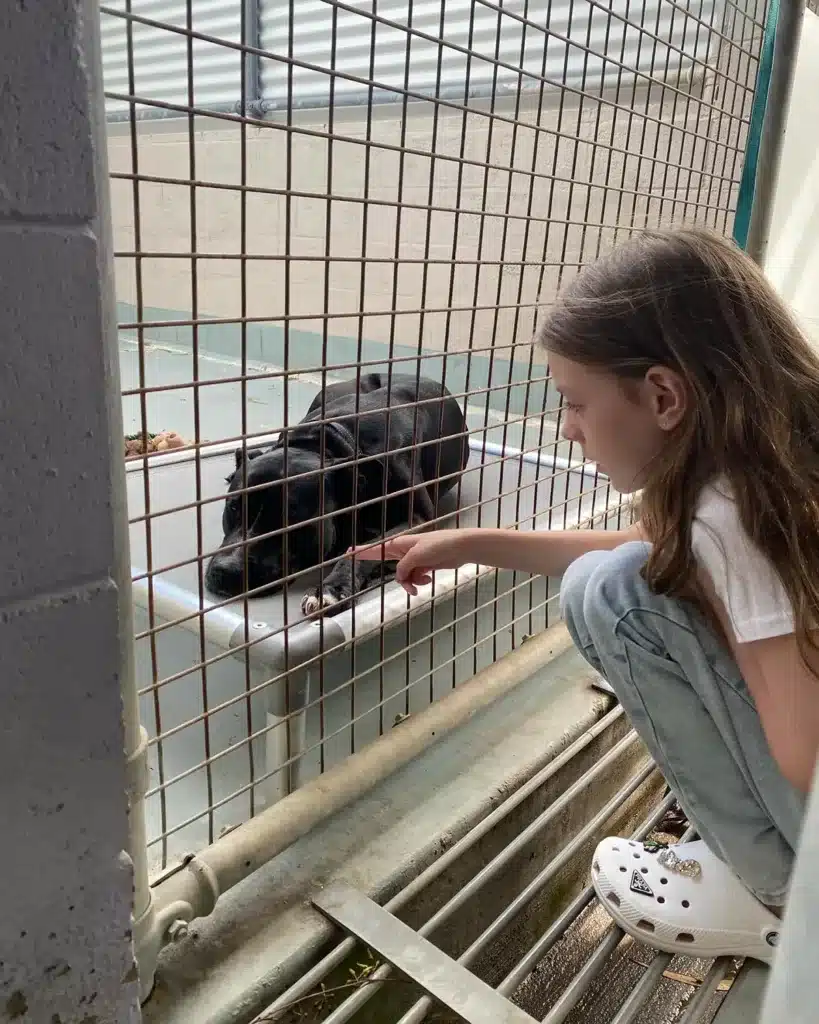
And that’s what really matters.
Because when the system is under strain, it behaves differently:
- Intake restrictions increase
- Waiting lists grow
- Foster networks tighten
- Dogs stay longer
- Facilities wear faster
- Burnout rises
The system becomes:
Slower. Heavier. More expensive.
What This Means for Rescues and Kennels
This is where practical decisions start to matter more than marketing.
When dogs stay longer:
Durability becomes operational—not optional.
A kennel replacing destroyed beds isn’t just buying products.
They’re paying in:
- Staff and volunteer time
- Cleaning workload
- Laundry cycles
- Waste
- Stress
- Constant replacement costs
Most rescues are trying to stretch every dollar.
That means:
Long-term durability matters more than appearance.
Why This Problem Exists (And Where ChewProof Fits)
This isn’t about “bad dogs.”
In many cases, it’s the opposite.
These dogs are often:
- Stressed
- Understimulated
- Anxious
- Young
- High-drive
- Recovering
Or simply built like furry demolition contractors.
That’s exactly why ChewProof exists.
Not for perfect dogs.
For real ones.
The Trend to Watch Through the Rest of 2026
The biggest risk isn’t a sudden spike in dog numbers.
It’s continued slowdown.
If adoption remains weak and costs keep rising, we’ll likely see:
- Longer average stays
- Stricter intake decisions
- Increased reliance on foster networks
- Higher operational fatigue
- Greater focus on durability and cost efficiency
The rescues that survive won’t necessarily be the biggest.
They’ll be the ones that:
Reduce repeat costs and operational strain.
Not glamorous.
But very real.
Sources
- RSPCA Australia Annual Statistics (2024–2025)
- PetRescue: What’s Really Behind Australia’s Falling Pet Adoption Rates? (2026)
- PetRescue State of Pet Adoption Reports
- RSPCA State Annual Reports (NSW, VIC, SA, WA)